Legacy Alumni

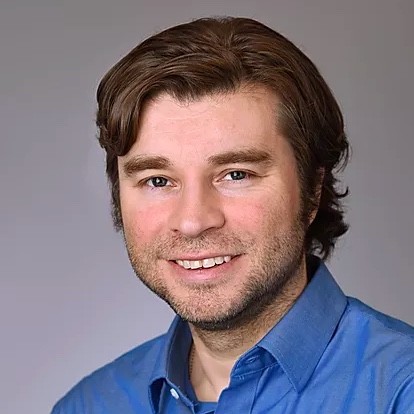
Anthony Filiano

Anthony Filiano, PhD Linkedin Twitter Google Immune dysfunction has been described in most neurological disorders. Preclinical strategies targeting these disorders have primarily concentrated on directly targeting synaptic function; however, most of these approaches have failed. Our lab is interested in understanding the complex interactions between the immune system and nervous system with the intent to […]
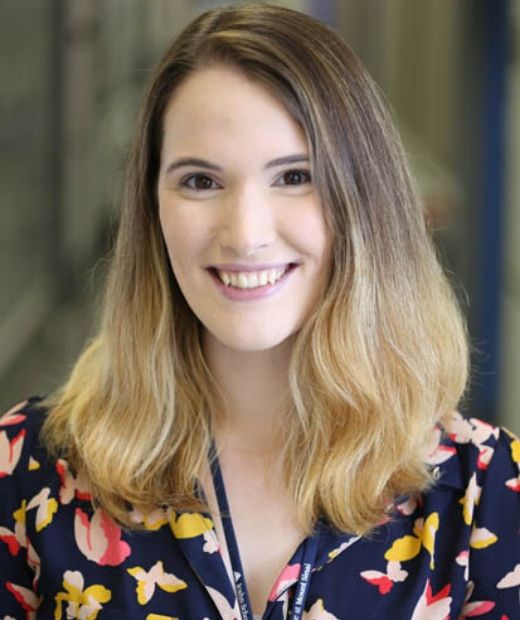
Anthony Filiano Read More »

Veronique Belzil

Veronique Belzil, PhD Linkedin Google Dr. Belzil is an Associate Professor of Neurology at Vanderbilt University Medical Center where she also serves as the Director of the Vanderbilt ALS Research Center. She obtained her bachelor’s degree in psychology from McGill University in 2003 and her master’s degree in psychology from Walden University in 2007. Continuing

Veronique Belzil Read More »

Mark Ebbert

Mark T. W. Ebbert, PhD Linkedin Twitter Google Mark Ebbert, Ph.D., studies neurodegenerative diseases using cutting-edge sequencing technologies and computational approaches such as computational biology and bioinformatics. Dr. Ebbert’s research focuses primarily on Alzheimer’s disease (AD) and amyotrophic lateral sclerosis (ALS, or Lou Gehrig’s disease). Ultimately, Dr. Ebbert aims to discover disease etiology and develop

Mark Ebbert Read More »

Susanne Wegmann

Susanne Wegmann, PhD Linkedin Google Proteins are the ‘work horses’ of cells and enable almost all cellular functions, from genome organization over signaling cascades up to the mechanical support of cellular structures and transport of molecules. Neurons are especially polarized non-dividing cells with extreme extensions and diverse microenvironments, which asks for robustly regulated and highly

Susanne Wegmann Read More »

Albert Davis

Albert (Gus) Davis, MD, PhD Twitter I am a neurologist and neuroscientist with interests in neurodegenerative diseases, protein aggregation, and mechanisms underlying neuron injury and death.  My long term goal is to better understand the molecular events that influence the pathological aggregation of disease-associated proteins contributing to dementia in Alzheimer disease (AD) and Parkinson disease

Albert Davis Read More »

Zvinka Zlatar

Zvinka Zlatar, PhD Linkedin Google Dr. Zlatar received her PhD in clinical psychology from the University of Florida, with a focus on adult neuropsychology/geropsychology. She completed her APA-accredited clinical psychology internship at the University of California, Los Angeles (Semel Institute for Neuroscience and Human Behavior), focusing on the neuropsychological assessment of older adults and Spanish-speaking

Zvinka Zlatar Read More »

Cristian Lasagna-Reeves

Cristian Lasagna-Reeves, PhD Linkedin Twitter Facebook Google My scientific career has revolved around the study of protein aggregation in neurodegenerative  diseases.  To investigate  the mechanism  of these diseases,  I  have used  a  broad range  of strategies,  such as in  Vitro aggregation assays with  recombinant protein,  disease cellular  models, mouse genetic interaction  experiments,  behavioral studies,  and

Cristian Lasagna-Reeves Read More »

Robert Hill

Robert Hill, PhD Linkedin Twitter Google The Hill lab at Dartmouth uses high-resolution optical imaging approaches to investigate how diverse cell populations dynamically interact in the brain. We develop and implement new techniques that allow visualization and manipulation of these distinct cell types in their native environment. For the 2017 Charleston Conference on Alzheimer’s Disease

Robert Hill Read More »

Clement Chow

Clement Y. Chow, PhD Linkedin Twitter Facebook Google The genetic variation found in natural populations is a rich unbiased resource for identifying novel elements of biological pathways. Variation is often exploited to study adaptive traits but remains under-utilized in the study of disease modifiers and pathways. Understanding how a particular pathway varies within a population

Clement Chow Read More »

Scroll to Top